The Power of Being a Connector in the Association Technology Space

In the association industry, technology is constantly evolving. New platforms emerge, member expectations rise, and solutions flood the market. Amid all that noise, one role stands out as both timeless and indispensable: the connector.
A connector is more than a broker of introductions. A true connector is a trusted advisor, the first call, the person others reach out to, not just for answers but for direction, reassurance, and perspective. In association technology — and really across every professional discipline — the connector fills an essential gap: bringing clarity, confidence, and credibility to an environment that can otherwise feel fragmented.
What It Means to Be a Connector
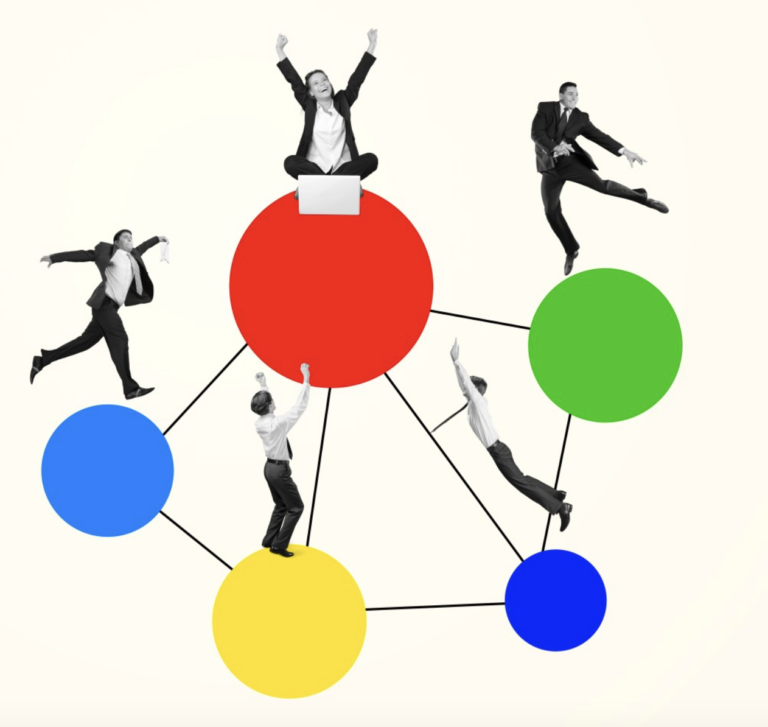
Being a connector is not about knowing everything; it’s about connecting people. In fact, one of the most powerful traits of a connector is the ability to say, “I don’t know — but I will find out.” That honesty builds trust. People know they won’t be misled, sold a half-baked solution, or left to fend for themselves.
A connector listens carefully and then points people in the right direction. Sometimes that means introducing a new technology vendor. At other times, it means steering them away from a choice and toward an alternative that better suits their needs. A connector doesn’t just provide introductions — they provide guidance, context, and the “why” behind the recommendation.
At Engagement Mobile Strategies, our mission captures this perfectly:
To be known, liked, and trusted; have conversations that lead to relationships; from those relationships identify mutual needs; when we can fill those needs, do them with excellence; when we cannot, we will find a partner who can.
That mission is not just words on a page. It is the standard by which we operate on a daily basis. It reminds us that connection is not about closing a sale but about building a relationship that creates lasting value.
The Vendor Question
One of the questions I ask technology vendors is:
If I’m listening to someone speak, what would I have to hear them say that would make me immediately want to interrupt and tell them they need to talk to you?
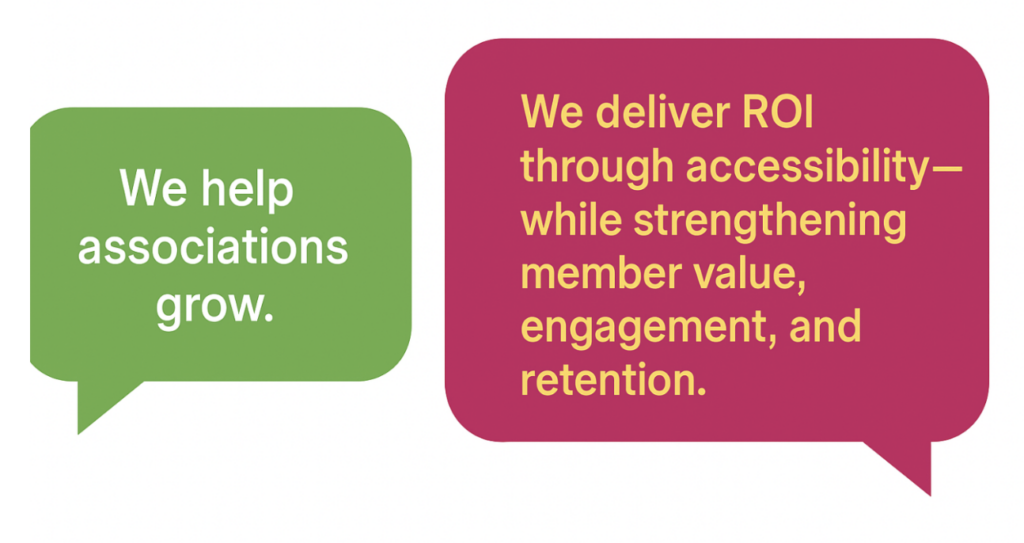
You’d be surprised at how often the answer comes back as a platitude — something so generic it could apply to almost any vendor in the industry. “We help associations grow.” “We drive engagement.” “We make things easier.”
None of these responses differentiates. None of them helps me recognize the moment in conversation when someone truly needs what that vendor provides.
A connector listens for those exact signals — the key pain points, the particular frustrations, the unmet opportunities. Without clarity and specificity from vendors, it becomes much harder to connect them to the correct associations. That’s why part of being a connector is also coaching vendors to articulate their real differentiators so that connections can be meaningful and productive.
Beyond Technology
Although this role is heavily associated with technology, the mindset of a connector extends beyond any one industry or domain. A real connector is valuable across all boards.
Whether it’s helping a colleague find the right attorney, suggesting a venue for a conference, or recommending a good Peruvian restaurant in town, the connector becomes the first point of contact. Not because they always know the answer — but because they always know where to look, who to ask, or how to find it.
Sometimes that even means referring to a so-called competitor. Why? While we may be capable of providing a service, doing so might disrupt our internal processes and, in turn, negatively impact other clients. In such cases, referring a vendor who specializes in that need ensures the client gets the best possible result. And because that client knows we acted in their best interest, they continue to come back to us again and again for advice on where to go. That is the long-term value of being a connector.
Connector as Training
This philosophy should not stay abstract. It should become behavior. One of the questions I believe every professional in sales, partnerships, or client service should ask themselves daily is: “Did I connect someone today? And if so, how?”

That’s a powerful behavioral anchor. It transforms connection from a vague concept into a measurable practice. When you can point to a specific introduction made, a referral given, or a door opened, you begin to see how connections compound over time.
A long time ago, I realized that it’s not the referrals you get that matter. It’s the referrals you give that matter. Giving creates value, builds loyalty, and cements your role as a trusted advisor. By maintaining a focus on giving, connectors cultivate relationships that are reciprocal, sustainable, and rooted in mutual respect.
This behavior is also trainable. Teams can be taught to listen for key phrases or “trigger words” that signal a need. – Practice introducing people with context, not just names. – Normalize saying “I don’t know” while committing to follow-up. – Celebrate each meaningful connection as a win in itself. – Reflect daily on whether they gave a referral — not just received one.
Embedding these practices into a sales platform or professional development program ensures that “being a connector” is not left to chance. It becomes part of the culture.
Why It Matters
Associations are about community. Technology is about enablement. The connector bridges those two worlds, ensuring that associations are not overwhelmed by choice but empowered by clarity.
When you’re a connector, people don’t just see you as another vendor or consultant. They see you as an ally, someone whose first instinct is to listen, understand, and guide. They see you as the person who knows that trust comes not from knowing all the answers, but from knowing where to find them.
Ultimately, being a connector is about embodying that philosophy on a daily basis. It means ensuring that every connection you facilitate is grounded in trust, generosity, and a genuine commitment to guiding others toward the best possible outcomes. When this becomes embedded in your culture, you are no longer just another service provider—you become the trusted advisor that everyone instinctively turns to first.
So, do you have a connector in your professional network? If not, I invite you to connect with me. Please feel free to schedule some time on my calendar [access my calendar here], and let’s start a conversation.
About the author: Mark Wallach, MBA, is CEO Emeritus of Engagement Mobile Strategies and a leading expert on innovative mobile technology in the association space. With over a decade of experience helping associations maximize member engagement and retention, he specializes in bridging generational gaps through accessible technology solutions. Based in Ashburn, Virginia, Mark advises organizations on strategic planning, collaborative partnerships, and digital transformation that drives measurable results.
